In today’s digital-first world, customers expect quick responses and personalized experiences. For small businesses, meeting these expectations can be challenging due to limited time and resources. This is where AI-powered chatbots come in. They help small business websites engage visitors, answer questions instantly, and convert leads—without hiring extra staff.
In this blog, we’ll explore what AI-powered chatbots are, how they work, their benefits, use cases, and why they are becoming essential for small business websites.
What Are AI-Powered Chatbots?
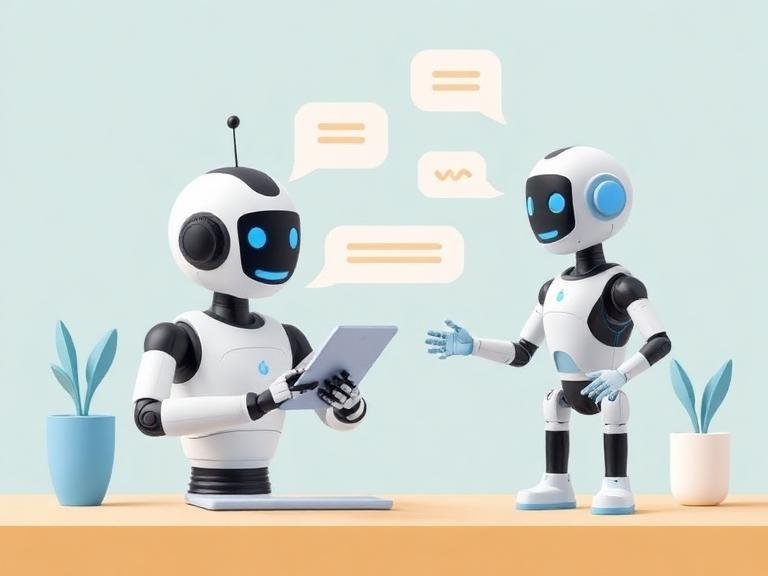
AI-powered chatbots are software applications that use artificial intelligence technologies such as machine learning and natural language processing (NLP) to simulate human-like conversations. Unlike traditional rule-based chatbots, AI chatbots can understand context, learn from interactions, and improve responses over time.
These chatbots are typically embedded on websites, messaging apps, or social media platforms to communicate with customers in real time.
Why Small Businesses Need AI Chatbots
Small businesses often struggle with limited staff, tight budgets, and growing customer expectations. AI-powered chatbots solve many of these challenges efficiently.
Key Reasons to Use Chatbots
- Provide instant customer support 24/7
- Reduce workload on human teams
- Improve customer engagement and satisfaction
- Capture and qualify leads automatically
- Scale customer service without increasing costs
Benefits of AI-Powered Chatbots for Small Business Websites
1. 24/7 Customer Support
Chatbots never sleep. They can answer frequently asked questions, provide product information, and guide customers at any time, even outside business hours.
2. Cost-Effective Customer Service
Hiring and training support staff can be expensive. AI chatbots handle multiple conversations simultaneously, reducing operational costs significantly.
3. Faster Response Times
Website visitors expect immediate answers. Chatbots respond instantly, helping reduce bounce rates and keep users engaged longer.
4. Lead Generation and Qualification
Chatbots can collect visitor details, ask qualifying questions, and pass high-quality leads to your sales team automatically.
5. Personalized Customer Experience
AI chatbots can personalize conversations based on user behavior, location, or previous interactions, creating a more human-like experience.
Common Use Cases of Chatbots on Small Business Websites
Customer Support
- Answer FAQs
- Track orders or appointments
- Handle returns and refunds
Sales Assistance
- Recommend products or services
- Guide users through pricing plans
- Upsell or cross-sell items
Booking and Scheduling
- Schedule appointments
- Confirm reservations
- Send reminders
Marketing and Engagement
- Offer discounts or promotions
- Collect email sign-ups
- Share blog updates or announcements
How AI Chatbots Work
AI-powered chatbots rely on several technologies working together:
- Natural Language Processing (NLP): Understands user intent and language
- Machine Learning: Improves responses based on past conversations
- Data Analytics: Tracks user behavior and chatbot performance
- Integrations: Connects with CRM, email tools, and payment systems
Together, these components allow chatbots to provide accurate, contextual, and helpful responses.
Popular AI Chatbot Platforms for Small Businesses
Some popular chatbot solutions suitable for small businesses include:
- Tidio
- Chatfuel
- Drift
- Intercom
- Zoho SalesIQ
These platforms often offer easy setup, customizable templates, and affordable pricing plans.
Best Practices for Using AI Chatbots Effectively
- Keep chatbot conversations simple and friendly
- Clearly define the chatbot’s role and limits
- Include an option to talk to a human when needed
- Regularly train and update the chatbot
- Monitor performance and customer feedback
Following these best practices ensures your chatbot enhances user experience instead of frustrating visitors.
Challenges and Limitations
While AI chatbots offer many benefits, they are not perfect.
Common Challenges
- Limited understanding of complex queries
- Dependence on quality training data
- Potential lack of emotional intelligence
However, combining chatbots with human support creates the best balance.
The Future of AI Chatbots for Small Businesses
As AI technology advances, chatbots will become even more intelligent and conversational. Future chatbots will offer:
- Voice-based interactions
- Better emotion detection
- Deeper personalization
- Seamless omnichannel experiences
For small businesses, adopting chatbots early can provide a strong competitive advantage.
Final Thoughts
AI-powered chatbots are no longer just for large enterprises. They are affordable, scalable, and highly effective tools for small business websites. By improving customer engagement, reducing costs, and driving more conversions, chatbots help small businesses grow smarter and faster.
If you want to enhance your website experience and stay ahead of the competition, investing in an AI-powered chatbot is a smart move.