Artificial Intelligence (AI) is transforming industries across the globe, and education is no exception. From personalized learning experiences to automated administrative tasks, AI is reshaping how students learn and how educators teach. The impact of artificial intelligence on the education system is profound, influencing classrooms, online platforms, and institutional management.
In this blog, we’ll explore how AI is changing education, its benefits, challenges, and what the future holds.
Understanding Artificial Intelligence in Education
Artificial intelligence in education refers to the use of intelligent systems and algorithms that can analyze data, learn from patterns, and make decisions to improve learning outcomes. AI-powered tools include adaptive learning platforms, virtual tutors, automated grading systems, and predictive analytics.
These technologies help create smarter, more efficient, and more inclusive educational environments.
Positive Impact of Artificial Intelligence on Education
1. Personalized Learning Experiences
One of the most significant impacts of AI in education is personalization. AI analyzes student performance, learning pace, and preferences to tailor content accordingly.
Key benefits:
- Customized learning paths
- Adaptive quizzes and assessments
- Targeted learning resources
This ensures students learn at their own speed, improving understanding and retention.
2. Improved Teaching Efficiency
AI helps teachers save time by automating routine tasks such as grading assignments, tracking attendance, and managing records.
How it helps educators:
- Reduces administrative workload
- Allows more focus on student engagement
- Provides performance insights for better instruction
3. Enhanced Student Engagement
AI-powered tools make learning more interactive and engaging through gamification, simulations, and intelligent content delivery.
Examples include:
- Interactive virtual labs
- AI-driven quizzes
- Personalized feedback systems
Higher engagement leads to better participation and academic performance.
4. 24/7 Learning Support
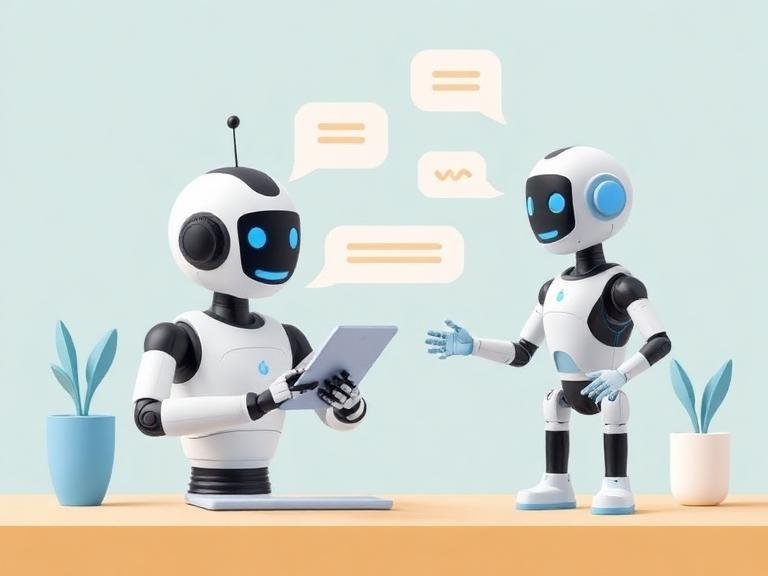
AI-powered chatbots and virtual assistants provide students with continuous academic support.
Benefits include:
- Instant answers to questions
- Guidance on assignments and deadlines
- Support beyond classroom hours
This improves accessibility and learner confidence.
5. Data-Driven Decision Making
AI uses data analytics to help schools and institutions make informed decisions.
AI enables:
- Early identification of struggling students
- Prediction of dropout risks
- Curriculum improvement based on insights
This proactive approach enhances overall educational outcomes.
6. Increased Accessibility and Inclusion
AI makes education more inclusive by supporting students with diverse learning needs.
Accessibility features include:
- Text-to-speech and speech-to-text tools
- Language translation
- Personalized support for students with disabilities
This ensures equal learning opportunities for all.
Impact of AI on Different Levels of Education
AI in School Education
- Personalized lesson plans
- Smart classroom tools
- Early learning assessment
AI in Higher Education
- Predictive analytics for student success
- Automated admissions and evaluations
- Research assistance tools
AI in Online and Distance Learning
- Adaptive learning platforms
- AI tutors and chatbots
- Intelligent content recommendations
Challenges of Artificial Intelligence in Education
Despite its benefits, AI adoption in education faces several challenges:
- Data privacy and security concerns
- High implementation costs
- Lack of technical skills among educators
- Risk of reduced human interaction
Addressing these challenges is essential for responsible AI integration.
Ethical Considerations in AI-Based Education
Ethical issues play a major role in AI-powered education systems.
Key concerns include:
- Student data protection
- Algorithmic bias
- Transparency in AI decision-making
Educational institutions must ensure AI tools are fair, secure, and accountable.
The Future of Artificial Intelligence in Education
The future of education will be increasingly driven by AI innovation. Expected developments include:
- Emotion-aware learning systems
- AI-powered virtual classrooms
- Integration of AI with VR and AR
- Lifelong personalized learning models
AI will continue to support educators rather than replace them, enhancing teaching quality and learning outcomes.
Final Thoughts
The impact of artificial intelligence on the education system is transformative and far-reaching. AI enhances personalization, improves efficiency, increases accessibility, and enables data-driven decisions. While challenges exist, responsible and ethical use of AI can unlock immense potential for the future of education.
By embracing AI thoughtfully, educational institutions can create smarter, more inclusive, and more effective learning environments.