Lifestyle diseases are like silent intruders—they creep into your life slowly, often unnoticed, until they start causing serious damage. These are diseases that primarily result from unhealthy habits such as poor diet, lack of exercise, smoking, and excessive alcohol consumption. Unlike infectious diseases, lifestyle diseases are not caused by bacteria or viruses but by the way we live our daily lives. Think of your body as a machine—if you fuel it with junk and never maintain it, breakdowns are inevitable.
Globally, these conditions fall under what experts call non-communicable diseases (NCDs). According to the World Health Organization, most NCDs stem from four major behaviors: physical inactivity, unhealthy diet, tobacco use, and harmful alcohol consumption . These behaviors lead to metabolic changes like high blood pressure, obesity, high blood sugar, and elevated cholesterol levels. Over time, these changes snowball into serious illnesses such as diabetes, heart disease, and even certain cancers.
What makes lifestyle diseases particularly dangerous is their gradual onset. You might feel “fine” for years while damage silently accumulates. By the time symptoms appear, the disease may already be advanced. That’s why awareness is your first line of defense—understanding these diseases can literally save your life.
Why They Are Increasing Globally
Here’s the hard truth: modern life is making us sick. With technology making everything easier—from ordering food to working remotely—we’ve become more sedentary than ever. Combine that with processed foods, stress, and irregular sleep patterns, and you’ve got a perfect recipe for lifestyle diseases.
Recent data highlights how serious the issue has become. Obesity rates, for instance, have risen significantly over the past two decades—from 13% to 19% globally between 2003 and 2023 . In India, the situation is equally alarming. The Economic Survey 2025–26 warns that obesity, diabetes, and even digital addiction are rapidly increasing, especially among young people . This means lifestyle diseases are no longer just a problem for older adults—they’re affecting people in their 20s and 30s too.
Urbanization plays a big role here. Long working hours, fast food culture, and limited physical activity create an environment where unhealthy choices become the norm. Add stress from work and social pressures, and your body is constantly in a state of imbalance. The result? A growing epidemic of chronic diseases that are largely preventable—but only if we act early.
Major Types of Lifestyle Diseases
Diabetes
Diabetes is one of the most common lifestyle diseases today, and it’s growing at an alarming rate. It occurs when your body either doesn’t produce enough insulin or cannot use it effectively. This leads to high blood sugar levels, which can damage organs over time.
Globally, diabetes affects millions, and its impact is massive. In fact, studies estimate that hundreds of millions of adults are living with this condition, making it one of the leading causes of disability and death. What’s even more concerning is that many people remain undiagnosed for years, allowing complications to develop silently.
Type 2 diabetes, in particular, is strongly linked to lifestyle factors like obesity, poor diet, and inactivity. Imagine constantly overloading your body with sugar and processed foods—it’s like pouring syrup into a machine designed for clean fuel. Eventually, the system fails. The good news? With early detection and lifestyle changes, diabetes can often be managed—or even prevented.
Hypertension
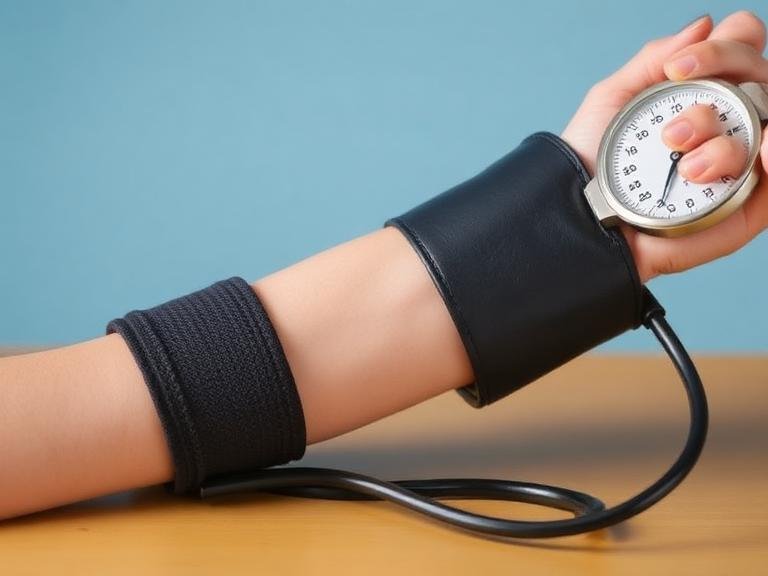
Often called the “silent killer,” hypertension or high blood pressure is another major lifestyle disease. The scary part? You might not feel any symptoms until it’s too late. Yet, it quietly damages your heart, kidneys, and blood vessels.
Hypertension is closely linked to stress, high salt intake, obesity, and lack of exercise. Over time, it increases the risk of heart attacks and strokes. According to global health data, raised blood pressure is one of the key metabolic risk factors caused by unhealthy lifestyles .
Think of your blood vessels like pipes—if the pressure inside them is too high for too long, they start to weaken and eventually break. That’s exactly what happens in your body. Managing blood pressure isn’t just about medication; it’s about changing your daily habits to reduce strain on your system.
Obesity
Obesity isn’t just about appearance—it’s a serious health condition that acts as a gateway to many other diseases. From diabetes to heart disease, obesity increases your risk dramatically. It’s like the root of a tree that branches into multiple health problems.
Recent projections suggest that obesity-related diseases could cause 92 million premature deaths by 2050 . That’s a staggering number. In India alone, nearly 1 in 4 adults is overweight or obese , showing how widespread the issue has become.
The main culprits? Processed foods, sugary drinks, and a sedentary lifestyle. When you consume more calories than your body burns, the excess gets stored as fat. Over time, this leads to inflammation, hormonal imbalances, and increased disease risk.
Heart Disease
Heart disease is one of the leading causes of death worldwide, and it’s closely tied to lifestyle choices. Poor diet, smoking, lack of exercise, and stress all contribute to the buildup of plaque in arteries, leading to conditions like heart attacks and strokes.
What makes heart disease particularly dangerous is its unpredictability. One moment you feel fine, and the next, you’re facing a life-threatening emergency. Many chronic conditions, including heart disease and diabetes, share common risk factors and often occur together .
Your heart works tirelessly every second of your life—doesn’t it deserve better care? Making small changes in your daily routine can significantly reduce your risk and improve your overall well-being.
Common Causes of Lifestyle Diseases
Poor Diet
Let’s be honest—modern diets are far from healthy. Fast food, sugary drinks, and processed snacks have become staples in many households. While they’re convenient, they’re also packed with unhealthy fats, sugar, and salt.
A poor diet doesn’t just affect your weight; it disrupts your entire metabolism. Over time, it leads to high cholesterol, high blood sugar, and inflammation—all of which contribute to lifestyle diseases. It’s like feeding your body low-quality fuel—it might keep running, but not efficiently.
Physical Inactivity
Sitting is the new smoking—that’s not just a catchy phrase; it’s a reality. With desk jobs and screen time dominating our lives, physical activity has taken a backseat. The result? Weak muscles, poor circulation, and increased fat accumulation.
Regular exercise isn’t just about staying fit; it’s essential for maintaining healthy organs and systems. Even simple activities like walking can make a big difference. Your body is designed to move—when you don’t use it, you lose it.
Stress and Mental Health
Stress is like a hidden toxin. You can’t see it, but it affects every part of your body. Chronic stress leads to hormonal imbalances, increased blood pressure, and unhealthy coping mechanisms like overeating or smoking.
In today’s fast-paced world, stress is almost unavoidable. But how you manage it makes all the difference. Ignoring stress is like ignoring a small leak—it might seem harmless at first, but it can cause major damage over time.
Alcohol and Smoking
Both alcohol and smoking are major contributors to lifestyle diseases. They damage your organs, weaken your immune system, and increase your risk of chronic conditions.
While occasional consumption might not be harmful, excessive use can have long-term consequences. It’s like slowly poisoning your body—damage accumulates over time, often without immediate symptoms.
Early Warning Signs You Should Not Ignore
Physical Symptoms
Your body often sends warning signals before a disease fully develops. The problem is, we tend to ignore them. Symptoms like fatigue, frequent headaches, unexplained weight gain or loss, and shortness of breath shouldn’t be brushed off.
These signs might seem minor, but they could indicate underlying issues. Think of them as your body’s way of waving a red flag—ignore it, and you risk bigger problems down the line.
Mental and Emotional Signs
Lifestyle diseases aren’t just physical—they also affect your mental health. Mood swings, anxiety, and lack of motivation can be early indicators of underlying health issues.
Your mind and body are deeply connected. When one is out of balance, the other follows. Paying attention to your mental health is just as important as monitoring physical symptoms.
Detailed Signs of Specific Diseases
| Disease | Common Signs |
|---|---|
| Diabetes | Frequent urination, excessive thirst, blurred vision |
| Hypertension | Headaches, dizziness, nosebleeds (sometimes none) |
| Obesity | Excess body fat, fatigue, joint pain |
| Heart Disease | Chest pain, shortness of breath, fatigue |
Each of these signs should be taken seriously, especially if they persist. Early detection can make a huge difference in treatment and outcomes.
Prevention Strategies That Actually Work
Healthy Eating Habits
A balanced diet is your strongest defense against lifestyle diseases. Focus on whole foods like fruits, vegetables, lean proteins, and whole grains. Avoid processed foods and sugary drinks as much as possible.
Think of your diet as an investment in your future health. Every healthy choice you make today pays off in the long run.
Regular Exercise
You don’t need to spend hours in the gym to stay healthy. Even 30 minutes of moderate activity daily can significantly reduce your risk of chronic diseases.
Consistency is key. Whether it’s walking, cycling, or yoga, find something you enjoy and stick with it.
Stress Management
Managing stress is crucial for preventing lifestyle diseases. Techniques like meditation, deep breathing, and mindfulness can help you stay calm and focused.
Taking time for yourself isn’t selfish—it’s necessary. Your mental health directly impacts your physical health.
Routine Health Checkups
Regular checkups can help detect problems early, often before symptoms appear. Monitoring your blood pressure, blood sugar, and cholesterol levels can provide valuable insights into your health.
Prevention is always better than cure, and routine checkups are a simple yet effective way to stay ahead of potential issues.
Lifestyle Changes for Long-Term Health
Building Healthy Habits
Healthy living isn’t about quick fixes—it’s about building sustainable habits. Start small, like replacing sugary drinks with water or taking short walks daily.
Over time, these small changes add up, creating a healthier and more balanced lifestyle.
Digital Detox and Sleep
In today’s digital age, screen time has become a major concern. Excessive use of devices not only affects your mental health but also contributes to physical inactivity.
Getting enough sleep is equally important. Poor sleep disrupts your metabolism and increases your risk of lifestyle diseases. Aim for 7–8 hours of quality sleep every night.
Conclusion
Lifestyle diseases may be common, but they are largely preventable. The choices you make every day—what you eat, how much you move, and how you manage stress—play a crucial role in your health. Think of your body as a long-term investment. The better you take care of it now, the healthier and happier your future will be.
Ignoring early signs or delaying healthy habits can lead to serious consequences. But the good news? It’s never too late to start. Even small changes can create a ripple effect, improving your overall well-being. So ask yourself—what’s one healthy change you can make today?
FAQs
1. What are the most common lifestyle diseases?
The most common ones include diabetes, hypertension, obesity, and heart disease. These conditions are largely influenced by daily habits.
2. Can lifestyle diseases be reversed?
In many cases, yes. Early-stage conditions like type 2 diabetes and obesity can often be managed or reversed with lifestyle changes.
3. How can I detect lifestyle diseases early?
Regular health checkups and paying attention to symptoms like fatigue, weight changes, and headaches can help with early detection.
4. How much exercise is enough to prevent these diseases?
At least 30 minutes of moderate exercise daily is recommended for maintaining good health.
5. Why are lifestyle diseases increasing among young people?
Sedentary lifestyles, unhealthy diets, stress, and excessive screen time are major contributing factors.