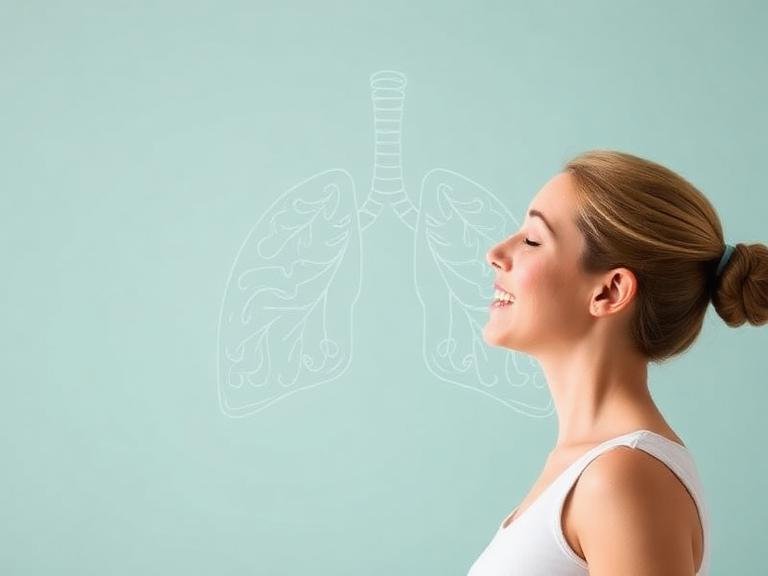
Think about this—every single second, your body depends on oxygen to survive, and your lungs are the gateway. Yet, most people don’t pay attention to their breathing until something feels off. Healthy lungs don’t just help you breathe; they power your energy levels, sharpen your focus, and even influence how well you sleep. When your lungs function efficiently, oxygen travels smoothly into your bloodstream, fueling every organ in your body.
Recent insights show that many people may be “breathing normally but not well,” meaning their lungs aren’t operating at full efficiency due to poor habits like shallow breathing or prolonged sitting . Over time, this can lead to fatigue, reduced stamina, and even mental fog. It’s like driving a car with a partially clogged fuel line—you’re moving, but not at full power.
Strong lung health also plays a critical role in preventing chronic conditions. Whether it’s supporting your immune system or helping you stay active longer, your lungs are deeply connected to overall wellness. That’s why incorporating simple breathing exercises into your daily routine can be a game-changer.
Common Causes of Poor Lung Function
Modern lifestyles aren’t doing our lungs any favors. Sitting for long hours, exposure to pollution, stress, and even poor posture can all reduce lung efficiency. When you slouch, your lungs literally don’t have enough space to expand fully, leading to shallow breathing patterns.
Another major factor is stress. When you’re anxious, your breathing becomes rapid and shallow, limiting oxygen intake. Over time, this pattern becomes habitual, making it harder for your lungs to function optimally. Add environmental factors like dust, smoke, and poor air quality, and your respiratory system faces constant strain.
Physical inactivity also plays a role. According to health experts, regular movement helps strengthen the lungs and improves oxygen circulation throughout the body . Without it, your lungs become less efficient, much like unused muscles losing strength.
What Are Breathing Exercises?
Science Behind Breathing Techniques
Breathing exercises are structured techniques designed to improve how you inhale and exhale. While breathing is automatic, intentional breathing can dramatically enhance lung function. These exercises focus on controlling the depth, rhythm, and speed of your breath.
Scientifically, breathing exercises help remove “stale air” trapped in the lungs, allowing fresh oxygen to enter more efficiently . This process improves gas exchange, meaning your body gets more oxygen while expelling carbon dioxide more effectively. Over time, this leads to better endurance, improved energy levels, and reduced breathlessness.
What’s fascinating is that breathing exercises also influence your nervous system. Slow, controlled breathing activates the parasympathetic system—the part responsible for relaxation. That’s why even a few minutes of mindful breathing can instantly calm your mind.
How the Diaphragm Plays a Key Role
Your diaphragm is the unsung hero of breathing. It’s a dome-shaped muscle located just below your lungs, and it does about 80% of the work when you breathe properly . However, many people rely on chest breathing instead, which is shallow and inefficient.
When you engage your diaphragm, your lungs expand more fully, allowing maximum oxygen intake. This not only improves lung capacity but also reduces strain on your neck and shoulder muscles. Think of it as switching from a small pump to a powerful engine—it’s more efficient and less tiring.
Training your diaphragm through specific exercises can transform the way you breathe, making each breath deeper and more effective.
Benefits of Breathing Exercises
Improved Oxygen Intake
One of the most immediate benefits of breathing exercises is better oxygen delivery. When you breathe deeply and efficiently, your body receives more oxygen, which boosts energy and enhances overall performance. This is especially important during physical activity, where your muscles demand more oxygen.
Studies show that controlled breathing can improve endurance and physical performance by optimizing oxygen flow . It’s like upgrading your body’s fuel system—everything runs smoother.
Stress Reduction and Mental Clarity
Breathing exercises are like a reset button for your mind. Slow, rhythmic breathing lowers cortisol levels, the hormone responsible for stress. This not only calms your nerves but also improves focus and mental clarity.
Have you ever noticed how your breathing changes when you’re anxious? By reversing that pattern through controlled breathing, you can instantly shift your mood. It’s a simple yet powerful tool for managing daily stress.
Enhanced Lung Capacity
Regular practice strengthens your respiratory muscles, including the diaphragm. This leads to increased lung capacity, allowing you to take deeper breaths and use oxygen more efficiently.
Breathing exercises also help keep your lungs flexible and prevent the buildup of stale air . Over time, this improves overall lung efficiency and reduces the risk of respiratory issues.
Best Breathing Exercises for Lung Health
Pursed Lip Breathing
This technique is widely recommended for improving airflow and reducing shortness of breath. It involves inhaling through your nose and exhaling slowly through pursed lips, almost like blowing out a candle.
The beauty of this exercise is its simplicity. By slowing down your breathing, it keeps your airways open longer, allowing more air to flow in and out of your lungs . It’s particularly helpful during physical activity or when you feel breathless.
Diaphragmatic (Belly) Breathing
Also known as belly breathing, this technique focuses on engaging your diaphragm. Instead of your chest rising, your abdomen expands as you inhale.
This method allows your lungs to fill completely, improving oxygen intake and reducing energy expenditure. It’s especially beneficial for people with respiratory conditions, as it promotes efficient breathing patterns.
Deep Breathing Technique
Deep breathing involves slow, controlled inhalation followed by a gradual exhalation. It’s one of the easiest ways to improve lung function and relax your body.
By practicing deep breathing regularly, you train your lungs to expand fully, increasing their capacity over time. It’s like stretching your lungs, keeping them flexible and strong.
Box Breathing
Box breathing is a structured technique where you inhale, hold, exhale, and hold again for equal counts. For example, 4 seconds each.
This exercise not only improves lung control but also enhances focus and reduces stress. It’s commonly used by athletes and even military professionals to maintain calm under pressure.
Alternate Nostril Breathing
This technique involves breathing through one nostril at a time while closing the other. It helps balance airflow and improves lung function.
It’s also known for its calming effects, making it a great addition to your daily routine.
Step-by-Step Guide to Practice
Daily Routine for Beginners
Starting with breathing exercises doesn’t require any special equipment. All you need is a quiet space and a few minutes of your time. Begin by sitting comfortably with your back straight. This posture allows your lungs to expand fully, making each breath more effective.
Start with diaphragmatic breathing for about 5–10 minutes daily, as recommended by experts . Place one hand on your chest and the other on your abdomen. As you inhale, focus on expanding your belly rather than your chest. This ensures that your diaphragm is doing the work.
Consistency is key here. Think of it like going to the gym—you won’t see results overnight, but with regular practice, your breathing will become deeper and more natural. Over time, you can incorporate other techniques like pursed lip breathing and box breathing into your routine.
Advanced Practice Tips
Once you’re comfortable with the basics, you can take your practice to the next level. Try combining breathing exercises with light physical activity, such as walking or yoga. This helps train your lungs to perform efficiently even during movement.
Another tip is to practice mindful breathing throughout the day. Whether you’re working, driving, or relaxing, take a moment to focus on your breath. This not only improves lung function but also keeps your mind calm and centered.
Breathing Exercises for Specific Conditions
Asthma and COPD Support
For individuals with respiratory conditions like asthma or COPD, breathing exercises can be incredibly beneficial. Techniques like pursed lip breathing help control shortness of breath and improve airflow.
Research shows that these exercises can enhance quality of life and reduce symptoms when practiced regularly . However, it’s always important to consult a healthcare professional before starting any new routine.
Post-Illness Recovery
After illnesses affecting the lungs, such as infections, breathing exercises can aid recovery. They help restore lung capacity and improve oxygen exchange, speeding up the healing process.
Lifestyle Habits to Boost Lung Health
Exercise and Physical Activity
Physical activity plays a crucial role in maintaining lung health. Regular exercise strengthens your lungs and improves their efficiency in delivering oxygen to your body .
Posture and Air Quality
Good posture allows your lungs to expand fully, while clean air reduces strain on your respiratory system. Simple changes like sitting upright and avoiding polluted environments can make a big difference.
Common Mistakes to Avoid
Many people unknowingly practice breathing exercises incorrectly. One common mistake is rushing through the exercises instead of maintaining a slow, controlled rhythm. Another is relying too much on chest breathing rather than engaging the diaphragm.
Consistency is another challenge. Practicing occasionally won’t yield significant results. It’s important to make breathing exercises a daily habit.
Expert Insights and Research Findings
Experts from the American Lung Association emphasize that breathing exercises can significantly improve lung efficiency by increasing oxygen levels and removing trapped air . Studies also highlight their role in reducing stress and enhancing overall well-being.
Conclusion
Breathing is something we often take for granted, yet it holds the key to better health and vitality. By incorporating simple breathing exercises into your daily routine, you can strengthen your lungs, improve oxygen intake, and enhance your overall well-being. The best part? These techniques are easy to learn, require no equipment, and can be practiced anywhere.
FAQs
1. How often should I do breathing exercises?
You should practice breathing exercises daily for at least 5–10 minutes to see noticeable improvements.
2. Can breathing exercises increase lung capacity?
Yes, regular practice can strengthen respiratory muscles and improve lung capacity over time.
3. Are breathing exercises safe for everyone?
Most are safe, but people with medical conditions should consult a doctor before starting.
4. How long does it take to see results?
You may notice benefits like reduced stress immediately, while lung improvements can take a few weeks.
5. Can breathing exercises help with anxiety?
Absolutely. Controlled breathing activates relaxation responses and reduces stress hormones.