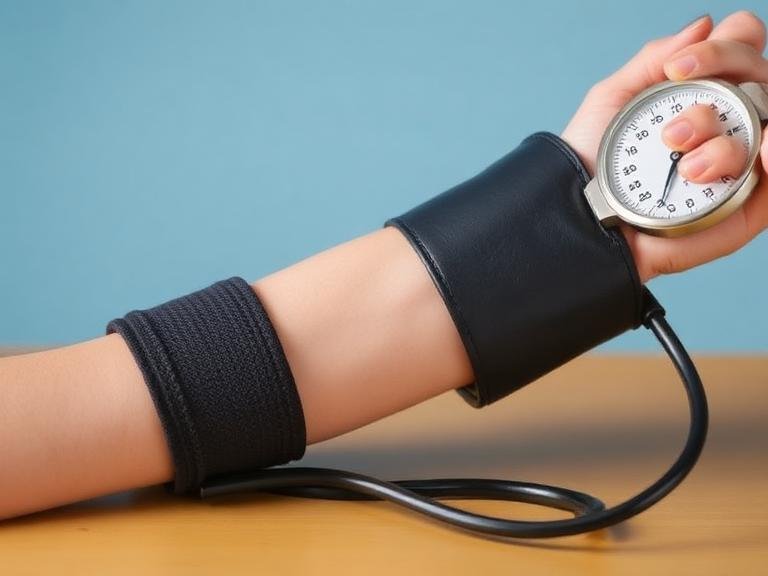
Let’s start with the basics—because understanding the problem is the first step to solving it. High blood pressure, also known as hypertension, happens when the force of blood pushing against your artery walls stays consistently high. According to health experts, a reading of 130/80 mm Hg or higher is considered high blood pressure . Now, that might sound technical, but think of your arteries like flexible pipes. If the pressure inside them remains too high for too long, those pipes begin to wear out, weaken, or even burst.
Here’s the tricky part: your body doesn’t always send warning signals. You could be living your normal life, feeling completely fine, and still have elevated blood pressure. That’s why regular monitoring is crucial. Many people only discover it during routine checkups, which is why awareness plays such a big role in prevention.
Hypertension isn’t just a number on a machine—it’s a condition that can silently damage your heart, brain, kidneys, and even your eyes. The good news? You don’t need to wait for symptoms to take action. There are natural, practical ways to keep your blood pressure in check, and most of them start with simple lifestyle changes you can begin today.
Why It’s Called the Silent Killer
Ever heard someone call high blood pressure the “silent killer”? It’s not just a catchy phrase—it’s a harsh reality. Millions of people walk around with hypertension without realizing it. In fact, global data shows that about 1.4 billion adults worldwide are affected, and many don’t even know they have it .
The danger lies in its quiet progression. Unlike other conditions that come with obvious symptoms, hypertension can quietly damage your internal organs over time. By the time symptoms appear—like headaches, dizziness, or chest pain—the condition may already be advanced.
This makes prevention incredibly important. Instead of waiting for a diagnosis, imagine treating your health like a long-term investment. The earlier you start making smart lifestyle choices, the better your chances of avoiding complications like heart disease, stroke, or kidney failure. It’s like maintaining a car—regular care prevents major breakdowns later.
Why Prevention Matters More Than Cure
Global Statistics and Health Impact
High blood pressure isn’t just a personal health issue—it’s a global crisis. Around 33% of adults aged 30–79 are affected by hypertension, making it one of the most common health conditions worldwide . What’s even more concerning is that a large percentage of these individuals are either undiagnosed or not receiving proper treatment.
Think about that for a moment. One out of every three adults could be at risk of serious health complications, often without knowing it. This widespread prevalence highlights why prevention should be a top priority, not an afterthought.
The burden is especially heavy in low- and middle-income countries, where lifestyle changes, urbanization, and dietary habits have increased risk factors. But here’s the empowering part—you have control over many of those factors. By making conscious decisions about your diet, activity level, and stress management, you can significantly reduce your risk.
Long-Term Complications of Hypertension
Ignoring high blood pressure is like ignoring a slow leak in your house—it may seem harmless at first, but over time, the damage can be catastrophic. Hypertension can lead to severe health issues, including heart attacks, strokes, kidney disease, and even vision loss .
The heart, in particular, takes a major hit. When blood pressure is high, the heart has to work harder to pump blood, which can eventually weaken it. Similarly, your arteries can become stiff and narrow, reducing blood flow to vital organs.
Preventing high blood pressure naturally isn’t just about avoiding medication—it’s about protecting your overall quality of life. Imagine being able to stay active, energetic, and independent as you age. That’s the real reward of taking preventive steps today.
Key Causes and Risk Factors
Lifestyle-Related Causes
When it comes to high blood pressure, your daily habits play a bigger role than you might think. Factors like poor diet, lack of exercise, excessive salt intake, smoking, and alcohol consumption are among the leading causes .
Let’s break it down. A diet high in processed foods often contains excessive sodium, which causes your body to retain water. This increases blood volume and, in turn, raises blood pressure. Add a sedentary lifestyle to the mix, and you’ve got a recipe for trouble.
Stress is another silent contributor. When you’re constantly stressed, your body releases hormones that temporarily increase blood pressure. Over time, this can become a chronic issue.
Genetic and Age Factors
Not everything is within your control, though. Genetics and age also play a role. If your parents or close relatives have high blood pressure, your risk increases. Similarly, as you age, your blood vessels naturally become less flexible, making it easier for pressure to build up.
But here’s the key takeaway: while you can’t change your genes, you can absolutely influence your lifestyle. Think of genetics as the loaded gun and lifestyle as the trigger. By making healthier choices, you can delay—or even prevent—the onset of hypertension.
Natural Ways to Prevent High Blood Pressure
Eat a Heart-Healthy Diet
Best Foods to Include
Your diet is one of the most powerful tools you have. A heart-healthy diet rich in fruits, vegetables, whole grains, lean proteins, and healthy fats can significantly lower your risk. The DASH diet, for example, is widely recommended for preventing hypertension because it emphasizes nutrient-rich foods while limiting sodium and unhealthy fats .
Foods high in potassium—like bananas, spinach, and sweet potatoes—help balance sodium levels in your body. Fiber-rich foods improve digestion and support overall cardiovascular health.
Foods to Avoid
On the flip side, certain foods can quietly sabotage your efforts. Try to limit:
- Processed and packaged foods
- Sugary drinks
- Saturated and trans fats
- Excessive salt
These foods not only increase blood pressure but also contribute to weight gain and inflammation.
Reduce Salt Intake
Salt might make your meals tastier, but too much of it can be harmful. Excess sodium causes your body to hold onto water, increasing blood volume and pressure. Health experts recommend reducing salt intake to keep blood pressure within a healthy range .
Start small—swap processed snacks for fresh options, cook more meals at home, and use herbs and spices instead of salt for flavor. Over time, your taste buds will adjust.
Stay Physically Active
Exercise isn’t just for weight loss—it’s essential for heart health. Regular physical activity strengthens your heart, improves circulation, and helps maintain a healthy weight. Experts suggest at least 150 minutes of moderate exercise per week .
You don’t need a gym membership. Walking, cycling, dancing, or even gardening can make a difference. The key is consistency. Think of exercise as a daily habit, not a chore.
Maintain a Healthy Weight
Carrying extra weight puts additional strain on your heart and blood vessels. Even a small amount of weight loss can significantly reduce blood pressure levels .
Instead of crash diets, focus on sustainable changes—balanced meals, portion control, and regular activity. It’s not about perfection; it’s about progress.
Manage Stress Effectively
Stress is unavoidable, but how you handle it makes all the difference. Chronic stress can lead to unhealthy habits like overeating, smoking, or drinking, all of which increase blood pressure.
Try relaxation techniques like meditation, deep breathing, or yoga. Even simple activities like listening to music or spending time in nature can help. Think of stress management as mental fitness—it’s just as important as physical fitness.
Improve Sleep Quality
Sleep is often overlooked, but it’s crucial for maintaining healthy blood pressure. Poor sleep can disrupt your body’s natural rhythms and increase stress hormones.
Aim for 7–9 hours of quality sleep each night. Create a bedtime routine, limit screen time before bed, and make your sleeping environment comfortable.
Stay Hydrated
Water plays a surprisingly important role in regulating blood pressure. Proper hydration supports blood volume and circulation, helping your cardiovascular system function efficiently.
Make it a habit to drink water throughout the day instead of sugary beverages. Your body—and your heart—will thank you.
Limit Alcohol and Quit Smoking
Alcohol and tobacco are major contributors to high blood pressure. Smoking damages blood vessels, while excessive alcohol intake can raise blood pressure levels over time.
Cutting back—or quitting altogether—can have immediate and long-term benefits. It’s one of the most impactful changes you can make for your health.
The Role of Daily Habits
Building Consistency in Lifestyle Changes
Here’s the truth: prevention isn’t about one big change—it’s about small, consistent actions. Think of your habits as building blocks. Each healthy choice adds up over time, creating a strong foundation for your health.
Start with manageable goals. Replace one unhealthy snack with a healthier option. Add a 10-minute walk to your routine. Over time, these small steps become second nature.
Monitoring Blood Pressure at Home
Regular monitoring helps you stay informed and proactive. Home blood pressure monitors are easy to use and can give you valuable insights into your health.
Keep track of your readings and notice patterns. This allows you to make adjustments before problems arise.
Comparing Healthy vs Unhealthy Lifestyle Choices
| Healthy Habits | Unhealthy Habits |
|---|---|
| Fresh fruits and vegetables | Processed foods |
| Regular exercise | Sedentary lifestyle |
| Low sodium intake | High salt consumption |
| Stress management | Chronic stress |
| Adequate sleep | Sleep deprivation |
Natural Remedies and Supplements
Herbal Support Options
Certain natural remedies like garlic, green tea, and omega-3 fatty acids may support healthy blood pressure levels. These options can complement a healthy lifestyle but should not replace it.
When to Be Cautious
Not all supplements are safe for everyone. Always consult a healthcare professional before adding new remedies, especially if you have existing conditions.
Conclusion
Preventing high blood pressure naturally isn’t about drastic changes—it’s about smart, sustainable choices. From improving your diet to staying active and managing stress, every step you take brings you closer to a healthier life. The best part? These changes don’t just lower your blood pressure—they improve your overall well-being. Start small, stay consistent, and remember: your health is in your hands.
FAQs
1. Can high blood pressure be prevented completely?
While not all cases can be prevented due to genetics, lifestyle changes can significantly reduce your risk.
2. What is the fastest natural way to lower blood pressure?
Regular exercise, reducing salt intake, and managing stress can quickly improve blood pressure levels.
3. How much exercise is needed to prevent hypertension?
At least 150 minutes of moderate activity per week is recommended.
4. Does drinking water help with blood pressure?
Yes, proper hydration supports healthy circulation and blood pressure regulation.
5. When should I check my blood pressure?
Regularly—especially if you have risk factors or a family history of hypertension.